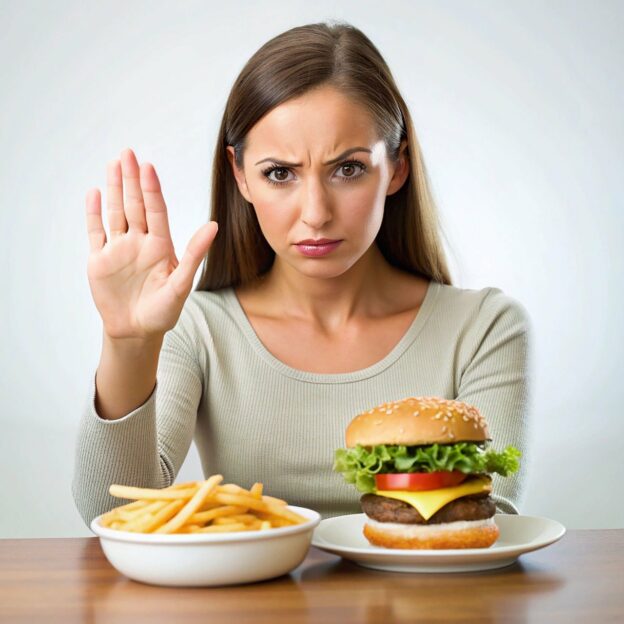

Losing weight does not require an expensive gym membership, complicated equipment, or extreme dieting. With the right approach, women can successfully lose weight at home using simple habits, strategic workouts, and balanced nutrition. By combining home workouts, smart eating patterns, and lifestyle adjustments, sustainable fat loss becomes achievable and maintainable.
This guide provides a complete step-by-step strategy for women who want to lose weight at home naturally and effectively.
Why Losing Weight at Home Works for Women
Many women achieve better results at home because the environment is comfortable, flexible, and consistent. When workouts and healthy meals become part of daily routines, adherence improves significantly.
Home-based weight loss offers several advantages:
- Convenience: No travel time or crowded gyms
- Privacy: Exercise comfortably at your own pace
- Consistency: Easier to maintain a regular routine
- Cost savings: No membership or equipment expenses
- Flexibility: Work out anytime during the day
The key is creating a structured plan that combines fat-burning workouts and calorie-controlled nutrition.
Create a Calorie Deficit for Sustainable Weight Loss
The foundation of every successful weight loss plan is a consistent calorie deficit, where the body burns more energy than it consumes.
Women can create this deficit by combining:
- Moderate calorie reduction
- Daily movement
- Strength and cardio workouts
A safe and effective target is losing 1–2 pounds per week, which helps maintain muscle while reducing body fat.
Simple ways to reduce daily calories include:
- Replace sugary drinks with water or herbal tea
- Reduce processed snacks and desserts
- Focus on whole, nutrient-dense foods
- Control portion sizes
The goal is not starvation but balanced eating that supports fat burning.
The Best Home Workouts for Women’s Weight Loss
Exercise accelerates fat loss by increasing calorie burn and boosting metabolism. The most effective home workouts combine strength training and cardiovascular exercise.
Bodyweight Strength Training
Strength training helps build lean muscle, which raises metabolism and improves body composition.
Effective bodyweight exercises include:
- Squats – targets legs and glutes
- Push-ups – strengthens chest and arms
- Lunges – improves lower body strength
- Glute bridges – activates the hips and glutes
- Planks – strengthens core muscles
Perform 3–4 sets of 10–15 repetitions for each exercise.
Strength workouts should be done 3–4 days per week.
Fat-Burning Cardio Workouts at Home
Cardio exercises increase heart rate and burn calories quickly.
Effective home cardio options include:
- Jump rope
- High knees
- Jump squats
- Mountain climbers
- Dance workouts
- Stair climbing
A simple fat-burning routine can include 20–30 minutes of cardio at least 4–5 days per week.
High-Intensity Interval Training (HIIT)
HIIT workouts alternate between short bursts of intense exercise and brief recovery periods, helping burn calories even after the workout ends.
Example HIIT session:
- Jump squats – 30 seconds
- Rest – 15 seconds
- Mountain climbers – 30 seconds
- Rest – 15 seconds
- Burpees – 30 seconds
- Rest – 15 seconds
Repeat the circuit 4–6 rounds.
HIIT sessions typically last 15–20 minutes, making them perfect for busy schedules.
Healthy Eating Habits for Women Trying to Lose Weight
Nutrition plays the largest role in successful fat loss. The goal is to prioritize foods that nourish the body while controlling calorie intake.
Eat More Protein
Protein supports muscle maintenance and keeps you full longer.
Excellent protein sources include:
- Eggs
- Greek yogurt
- Chicken breast
- Fish
- Cottage cheese
- Beans and lentils
- Tofu
Aim for 20–30 grams of protein per meal.
Prioritize Whole Foods
Whole foods are rich in nutrients and naturally lower in calories.
Healthy choices include:
- Vegetables: spinach, broccoli, zucchini, peppers
- Fruits: berries, apples, oranges
- Whole grains: oats, quinoa, brown rice
- Healthy fats: avocados, nuts, olive oil
These foods help stabilize energy levels and reduce cravings.
Reduce Processed Foods
Highly processed foods often contain excess sugar, refined carbohydrates, and unhealthy fats, which slow fat loss.
Limit:
- Sugary beverages
- Packaged snack foods
- Fast food
- Refined desserts
- White bread and pastries
Replacing these with whole food alternatives significantly improves weight loss results.
Daily Movement Matters More Than You Think
Weight loss is not limited to structured workouts. Daily activity levels play a major role in calorie burn.
Women can increase daily movement by:
- Walking 8,000–10,000 steps per day
- Taking the stairs
- Doing household chores
- Stretching throughout the day
- Standing instead of sitting when possible
These small movements accumulate into significant calorie expenditure over time.
Sleep and Stress Management for Fat Loss
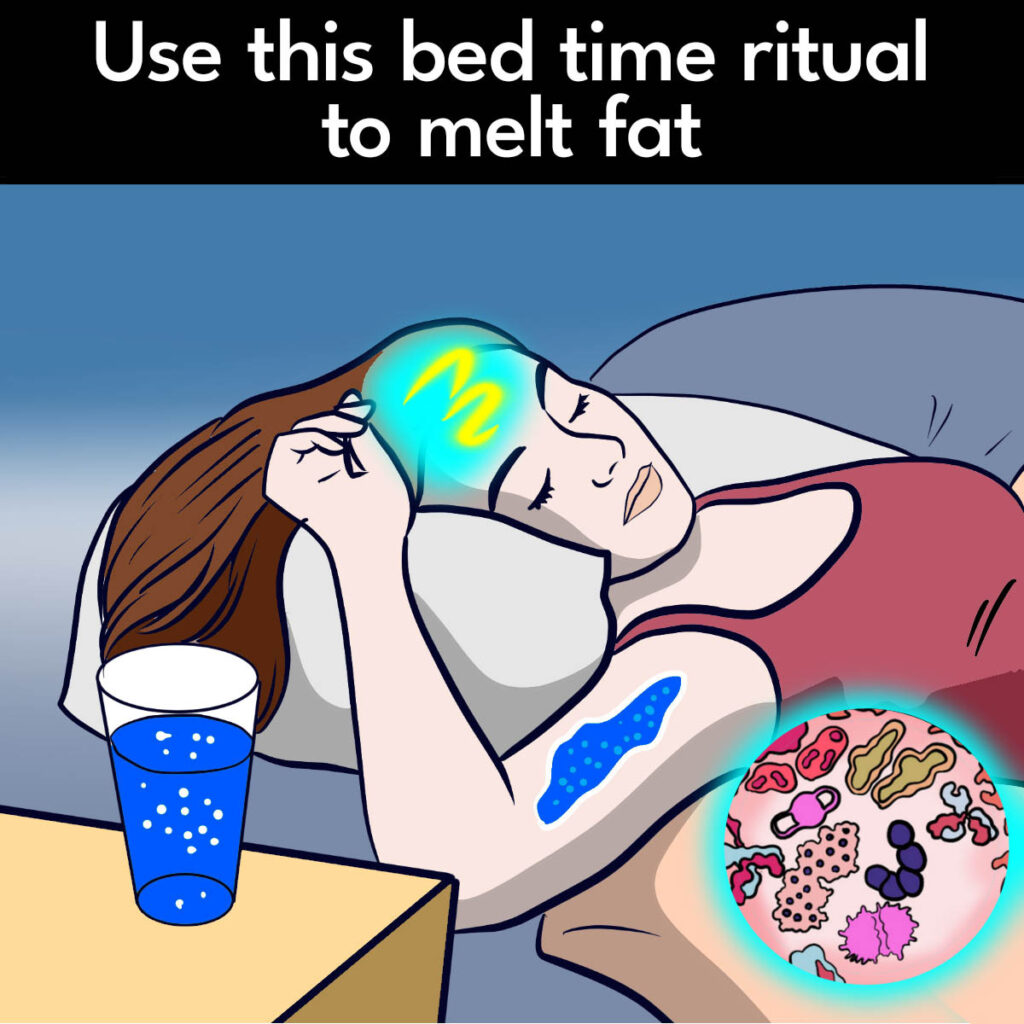
Hormonal balance plays a crucial role in weight management. Poor sleep and chronic stress can slow metabolism and increase fat storage.
Women should aim for:
- 7–9 hours of quality sleep per night
- Consistent bedtime routines
- Reduced screen exposure before sleep
- Relaxation practices such as meditation or deep breathing
Managing stress helps regulate cortisol levels, which supports healthy weight loss.
Hydration Supports Fat Loss
Drinking adequate water helps control appetite and supports metabolism.
Benefits of proper hydration include:
- Improved digestion
- Reduced cravings
- Better workout performance
- Enhanced calorie burning
A practical goal is 8–10 glasses of water daily, with additional intake during workouts.
Simple Weekly Weight Loss Routine for Women at Home
A structured routine helps maintain consistency.
Example weekly schedule:
Monday – Strength workout
Tuesday – Cardio workout
Wednesday – HIIT session
Thursday – Active recovery or walking
Friday – Strength workout
Saturday – Cardio or dance workout
Sunday – Rest and stretching
This combination promotes fat loss, muscle tone, and metabolic health.
Common Mistakes Women Should Avoid
Many weight loss attempts fail due to avoidable mistakes.
Common issues include:
- Skipping meals
- Following extremely restrictive diets
- Overdoing cardio without strength training
- Not consuming enough protein
- Lack of consistency
The most effective strategy is balanced nutrition combined with sustainable workouts.
How Long It Takes to See Weight Loss Results
Most women begin noticing improvements within 3–4 weeks of consistent effort. Early results often include:
- Reduced bloating
- Increased energy
- Improved muscle tone
- Gradual fat loss
Long-term consistency leads to significant body transformation within 8–12 weeks.
Building Long-Term Weight Loss Success
The most powerful weight loss strategy is one that becomes a permanent lifestyle.
Women who maintain their results focus on:
- Consistent home workouts
- Balanced whole-food nutrition
- Healthy sleep habits
- Stress management
- Sustainable routines
These habits ensure that weight loss is not temporary but lasting and healthy.
Final Thoughts on Losing Weight at Home
Women can achieve powerful fat-loss results without leaving their homes. By combining effective home workouts, nutrient-dense meals, and healthy lifestyle habits, long-term weight loss becomes both achievable and sustainable.
Consistency remains the defining factor. When healthy routines become daily habits, fat loss happens naturally while strength, confidence, and energy continue to grow.